

Australian Adventure Activity Standards (AAAS)
On this page
Australian Adventure Activity Standard and related Good Practice Guides
The Australian Adventure Activity Standard (AAAS) and related Good Practice Guides (GPGs) provide a voluntary good-practice framework for safe and responsible planning and delivery of led outdoor adventure activities with dependent participants. The formation of the Aust. AAS and GPG’s have been supported and funded 2016-2019 by a meeting of the State and Territory Sport and Recreation Ministers of Australia.
Safety requirements shouldn’t change just because you cross a state border. That is why state outdoors bodies came together and developed the Australian Adventure Activity Standard (AAAS) and related Good Practice Guide’s (GPGs).
The good practice framework is provided in:
The AAAS – this addresses the common ‘requirements’ for all types of adventure activities
The Core GPG – this provides additional information to help support implementing the AAAS
The various activity GPGs – these provide guidance specific to the various activities.
The check out the current Australian Adventure Activity Standards and related Good Practice Guides head here.
Are these legally binding?
The Australian AAS are not be legally binding. Instead, they are intended to “provide the best practice framework for safe and responsible planning and delivery of outdoor adventure activities with dependent participants.”
Even though the AAAS is not legally binding by law, compliance is often required by public and private land managers, regulatory agencies, insurers and others as a contractual or management condition. However, compliance with the AAS may assist in demonstrating that an operator has fulfilled their duty of care to activity participants.
The AAAS is intended to be a flexible framework, which can guide decision-making across the great diversity of environments, activities and circumstances present in Australia.
What activities are covered?
Current standards cover the following activities:
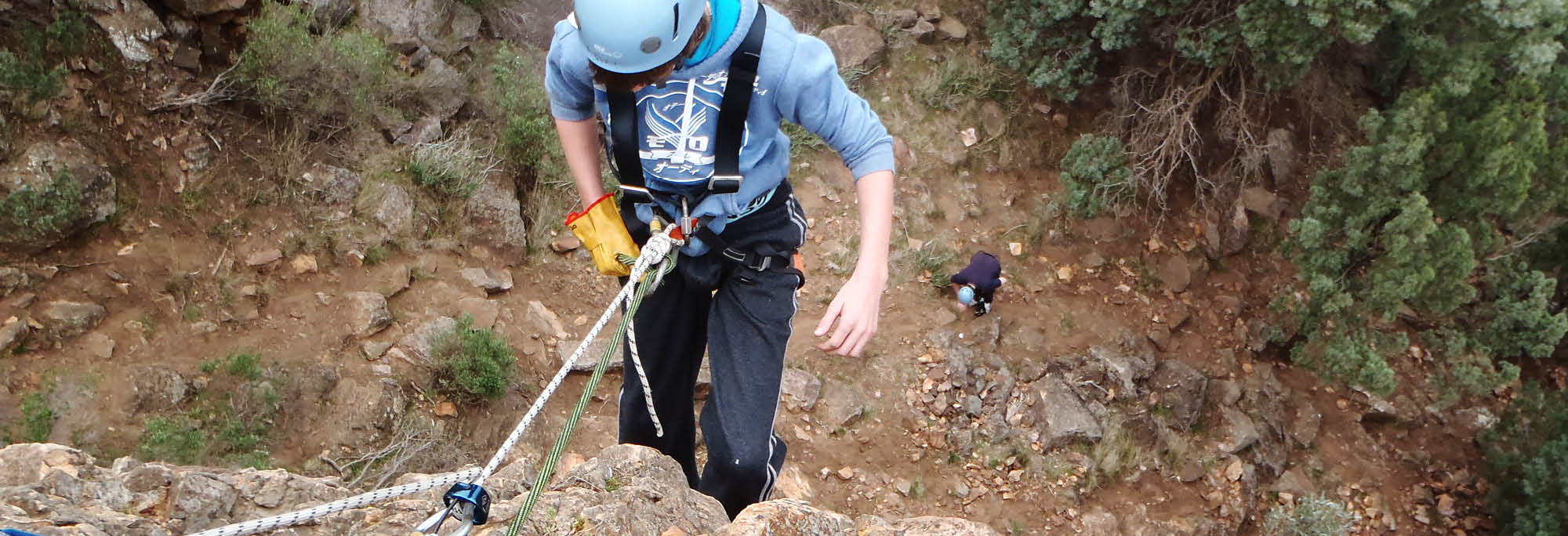
- Abseiling
- Artificial climbing
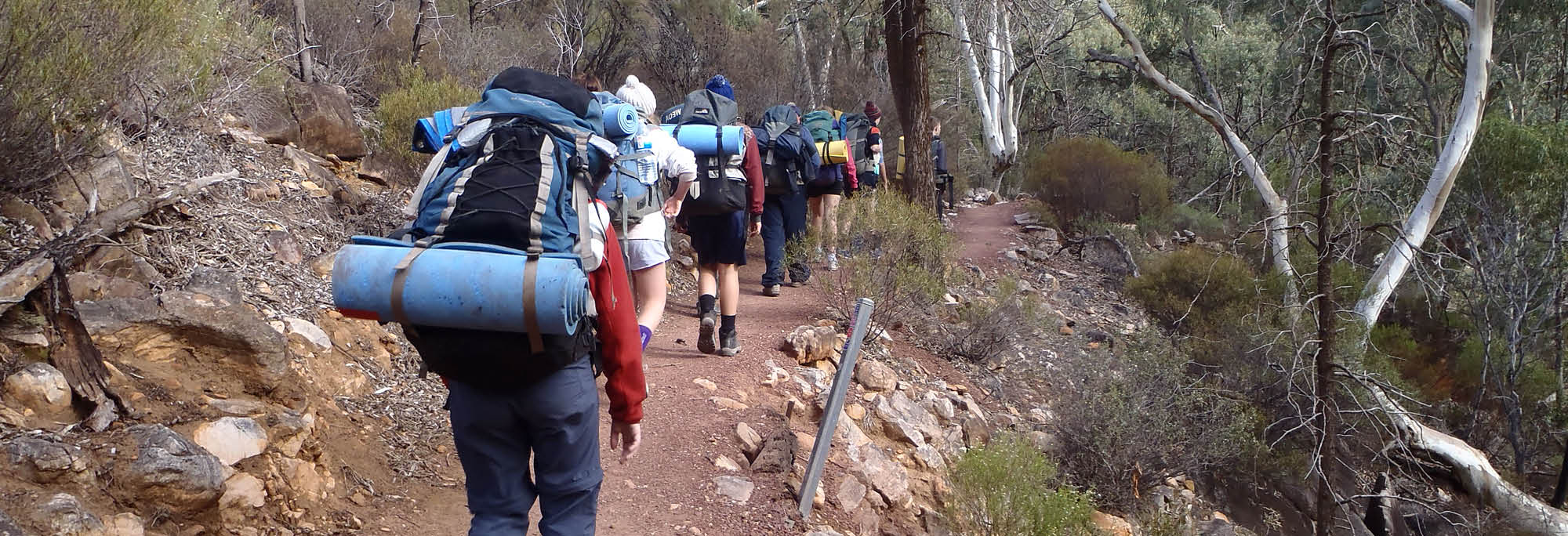
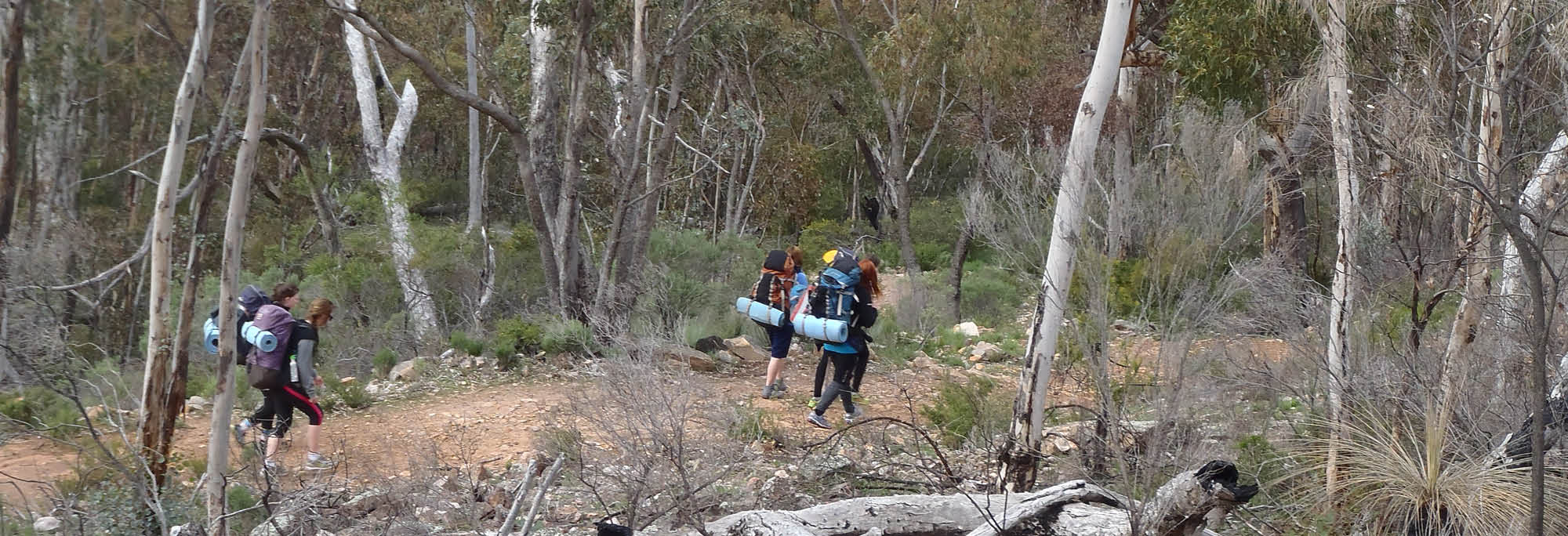
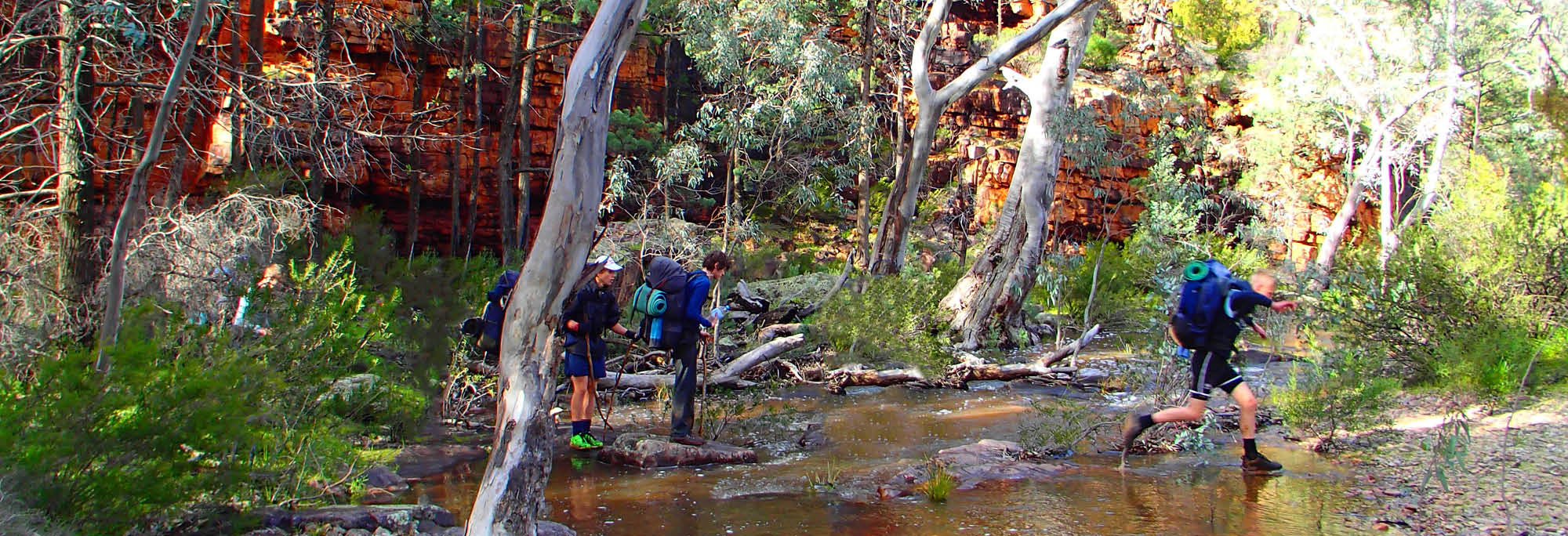
- Bushwalking
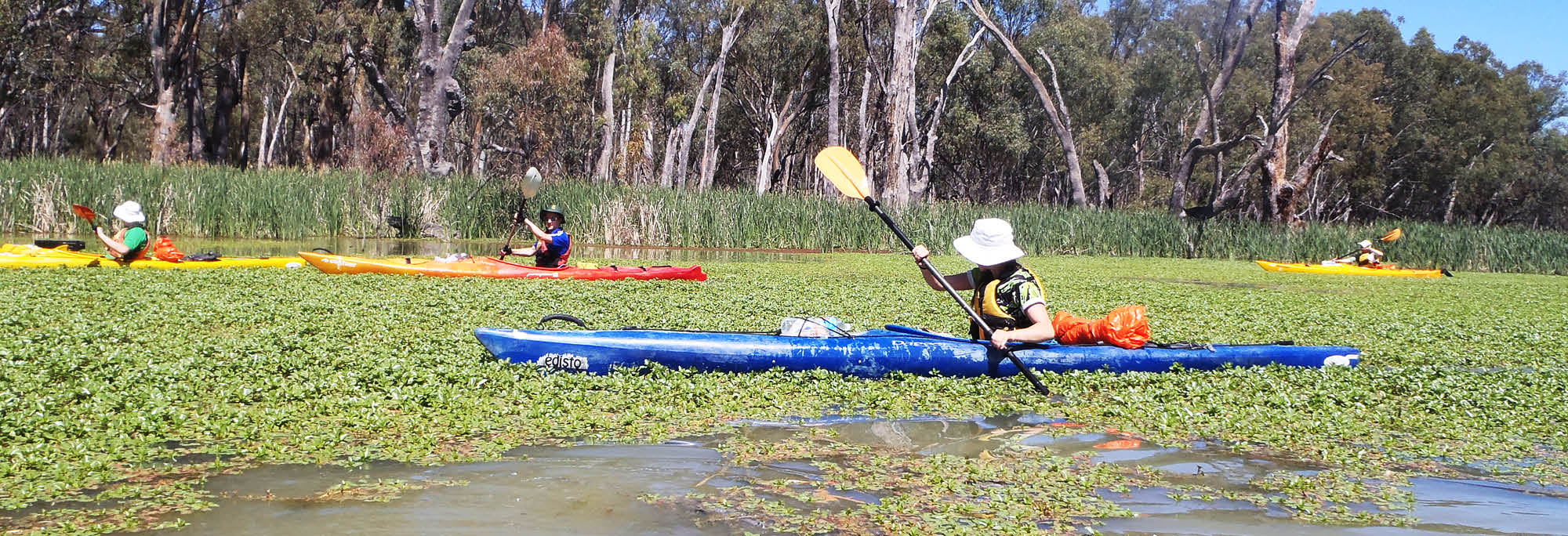
- Canoeing & kayaking
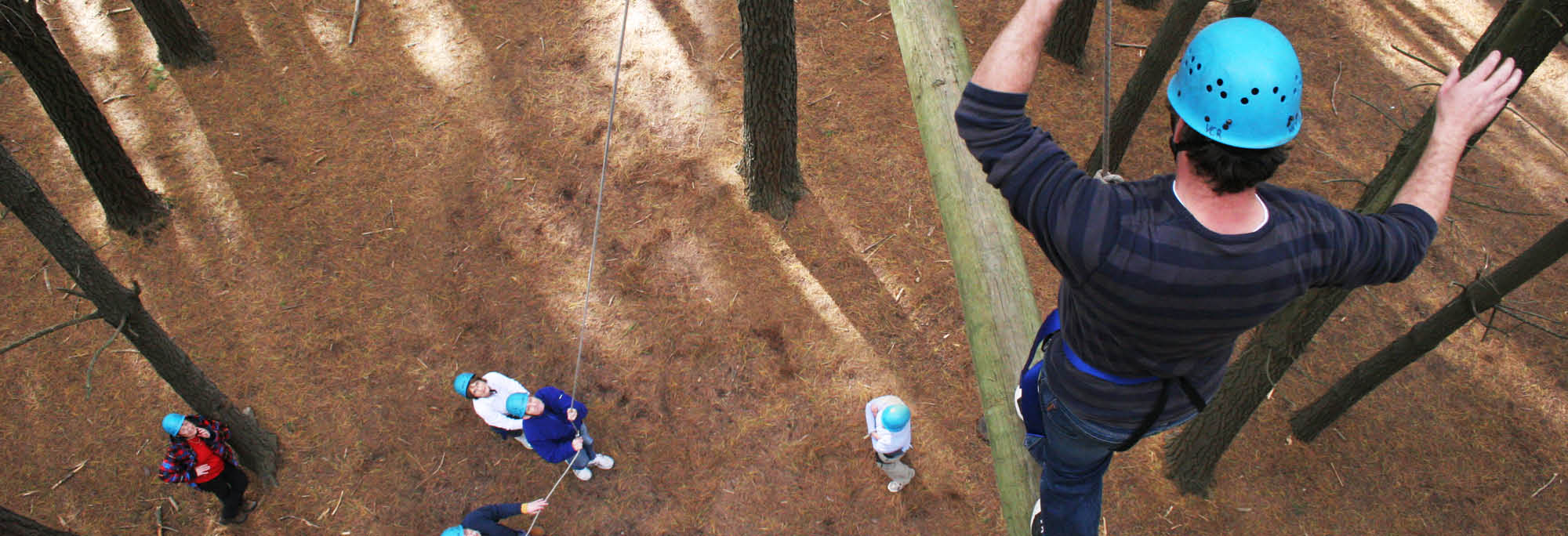
- Challenge ropes
- Horse trail riding
- Mountain biking
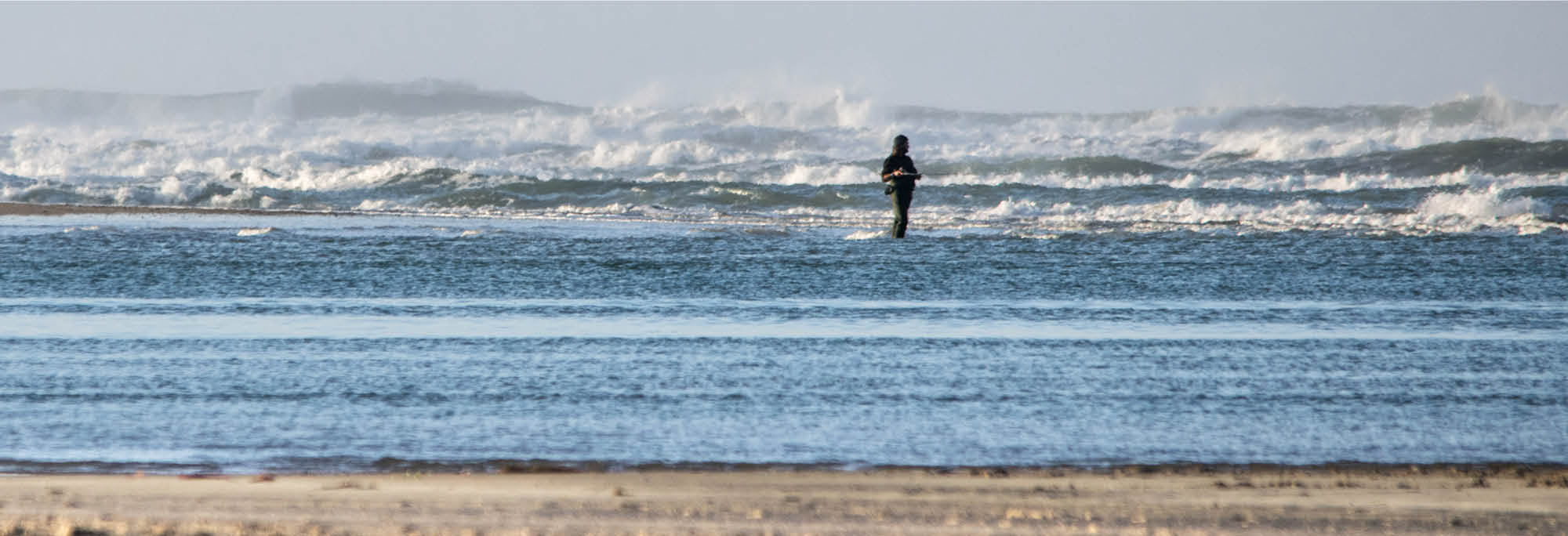
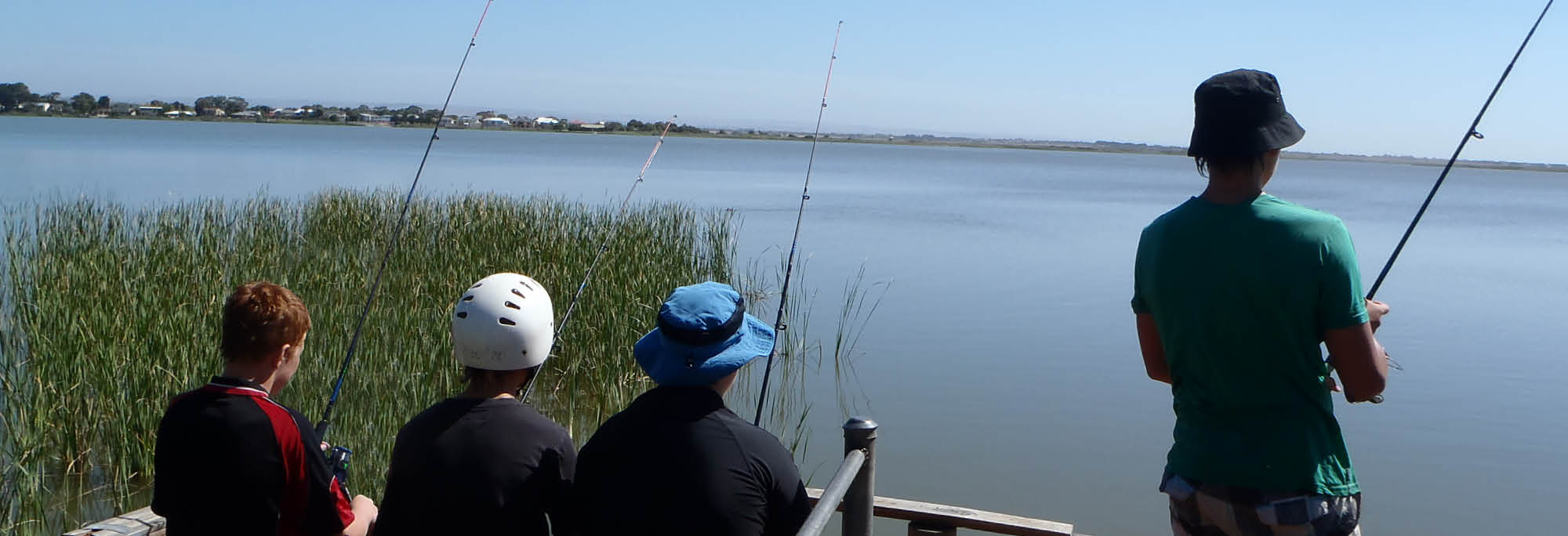
- Recreational angling
- Caving
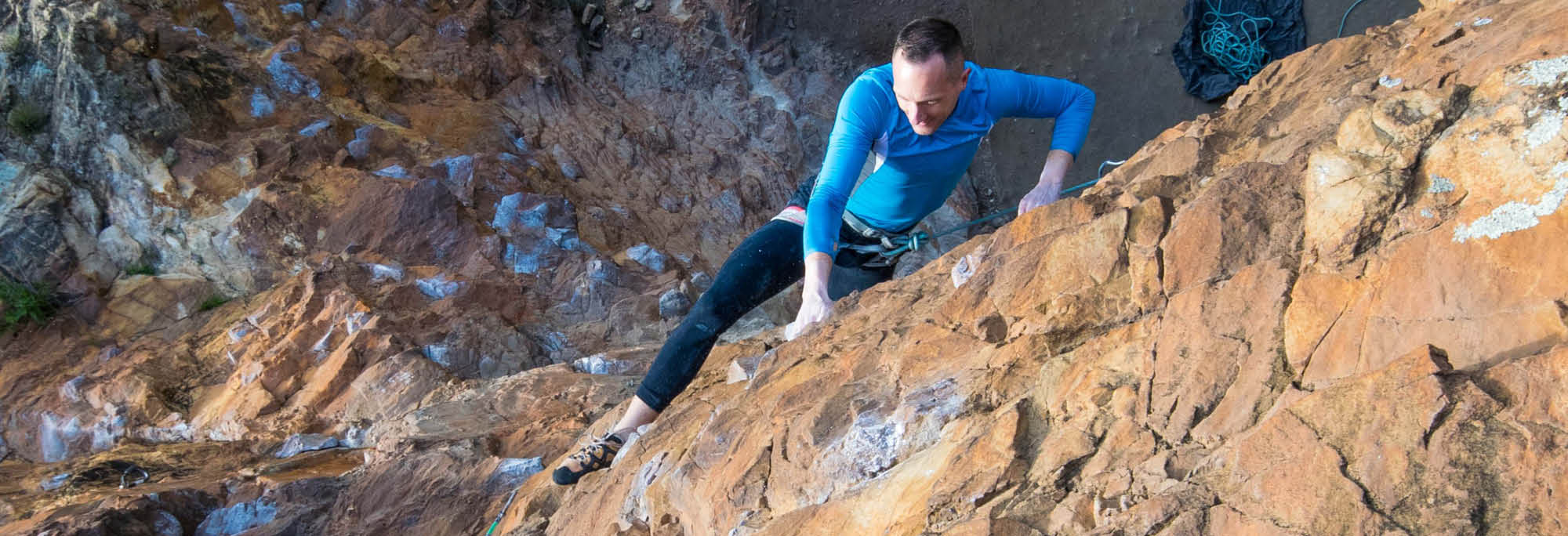
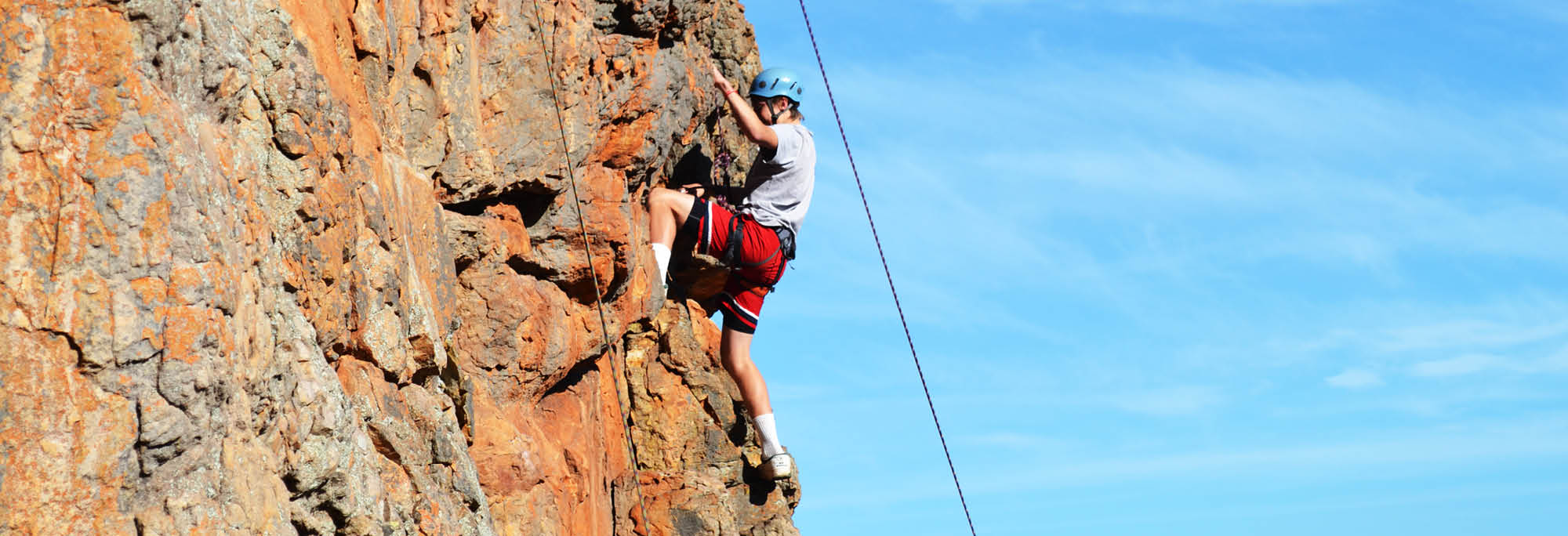
- Rock climbing
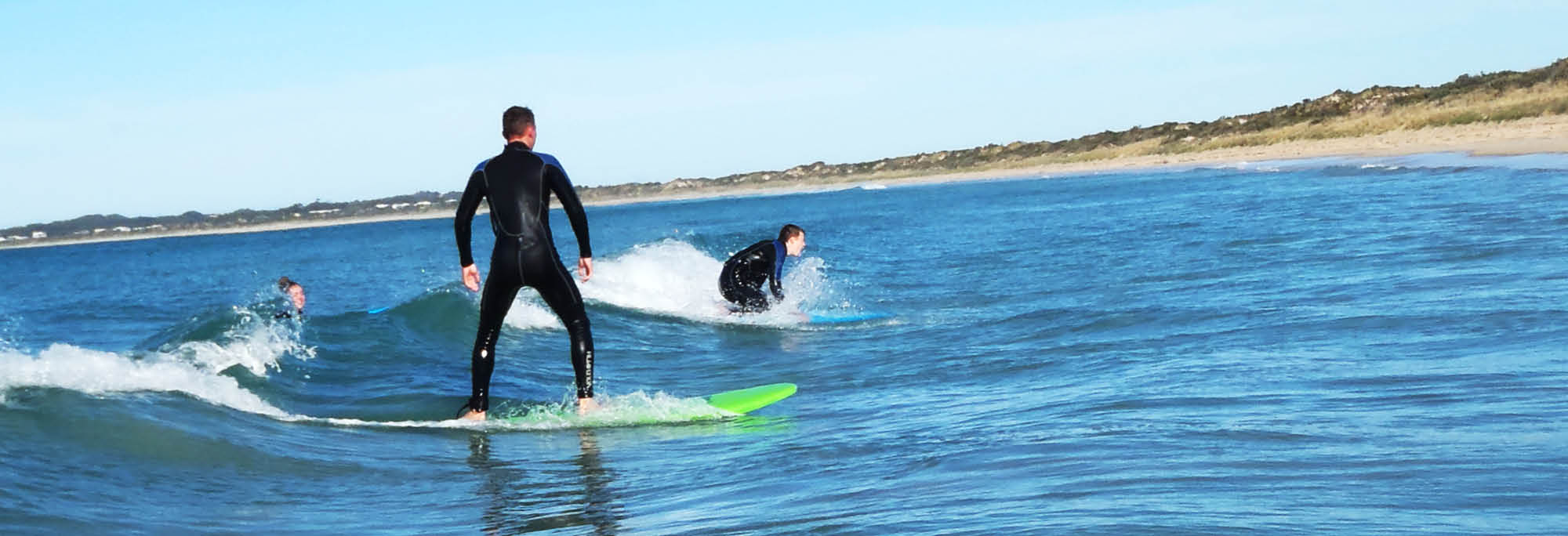
- Surfing
- Sea kayaking
- Surf kayaking
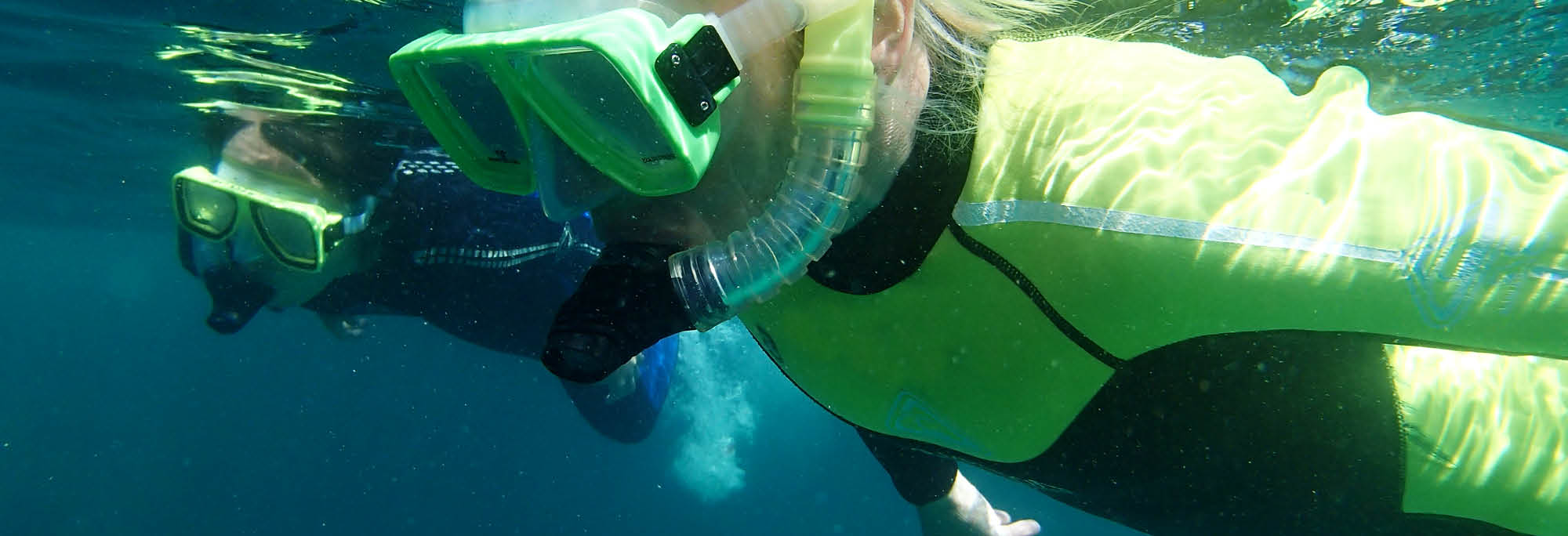
- Snorkelling
Additional activities may be added as needed to reflect current practice.